SKETCHES
Architecture
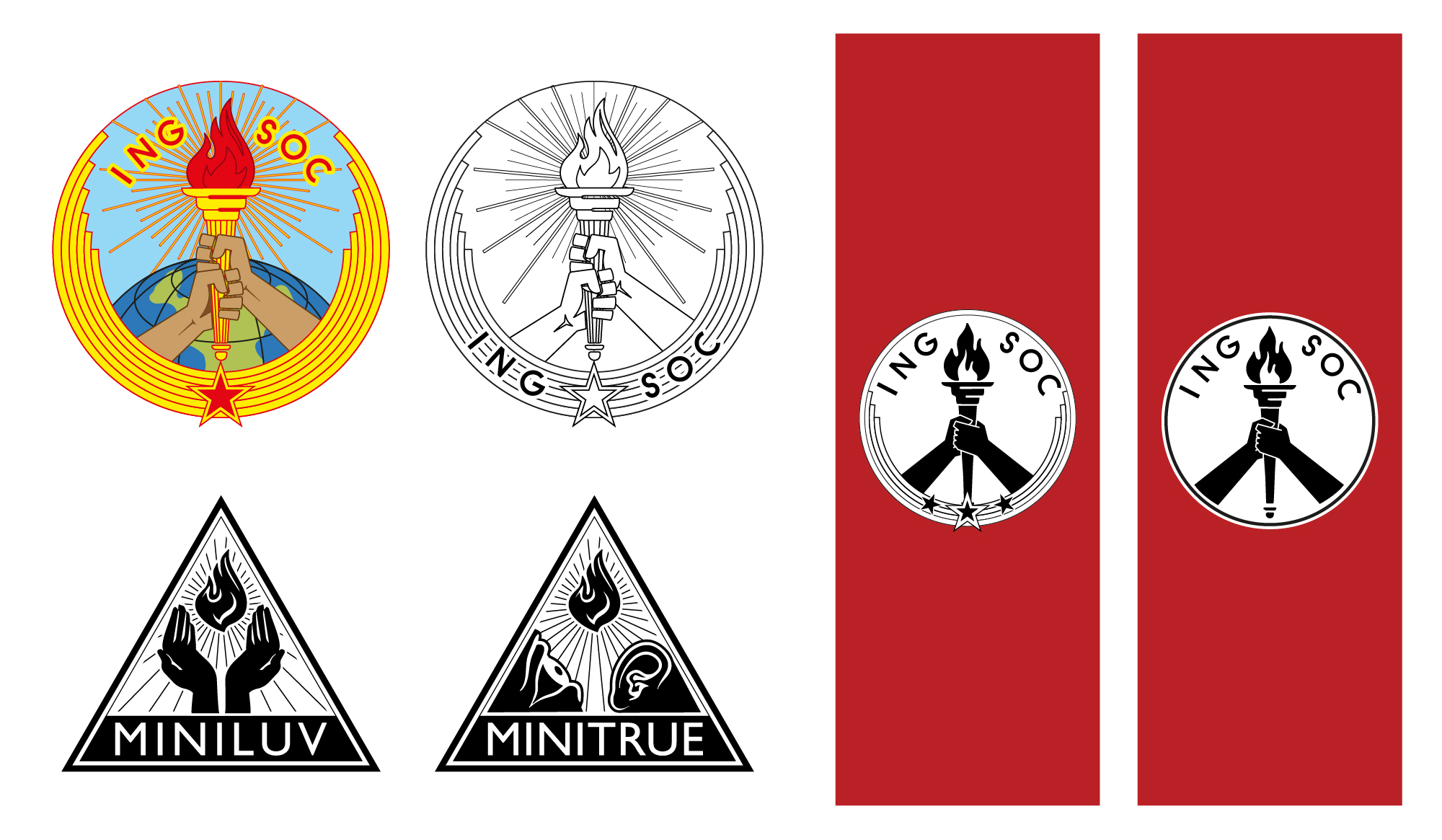
IngSoc Emblem
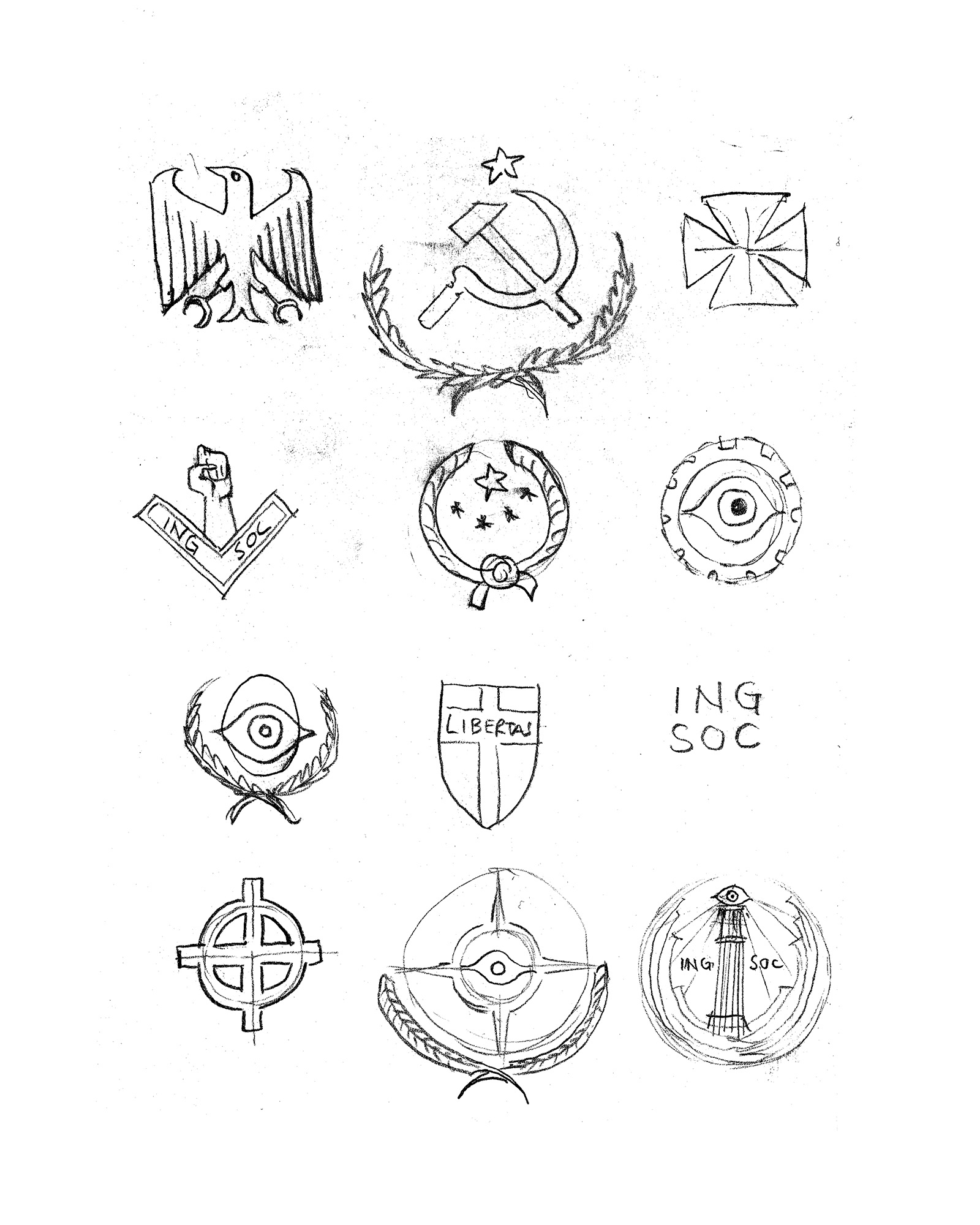
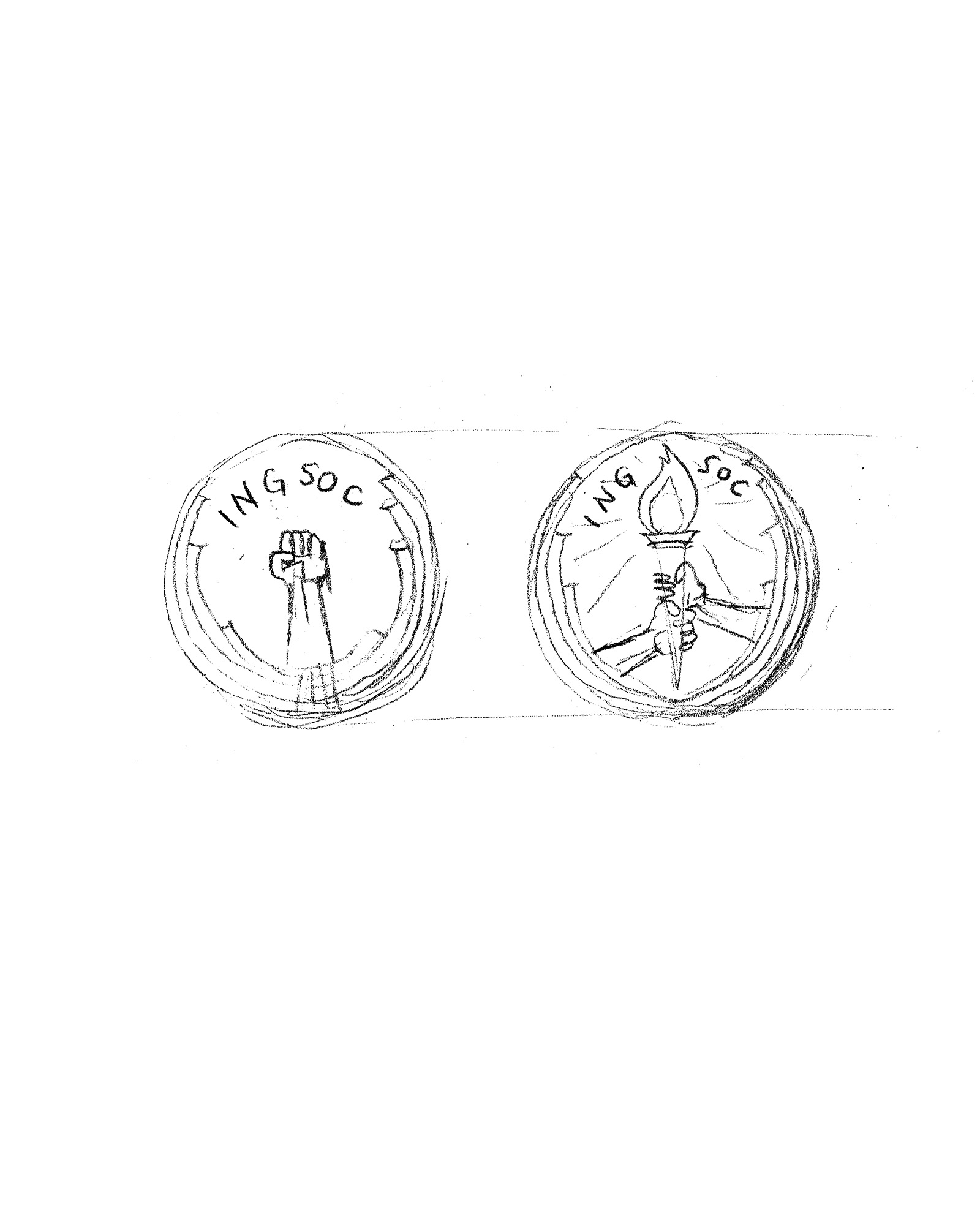
The IngSoc flag went through several variations, starting from something very close to the one featured in the film adaptation (Orwell’s 1984), and then turning to something closer to some of the Soviet Republics’ emblems. The symbol emphasises the concept of “double think”: a far-right-style torch is held by two hands, reminiscent of imagery associated with the far left, to form the shape of a peace sign.
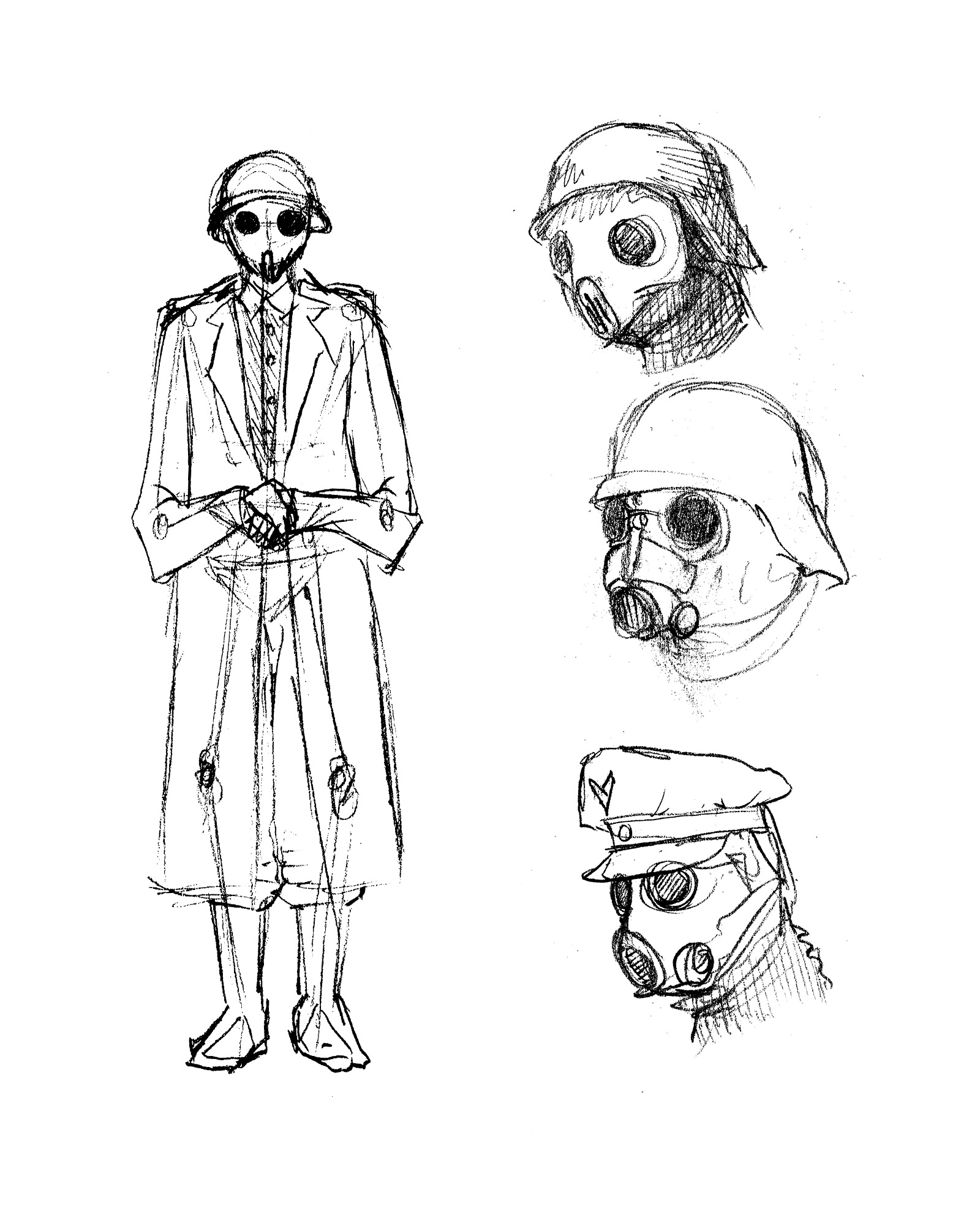
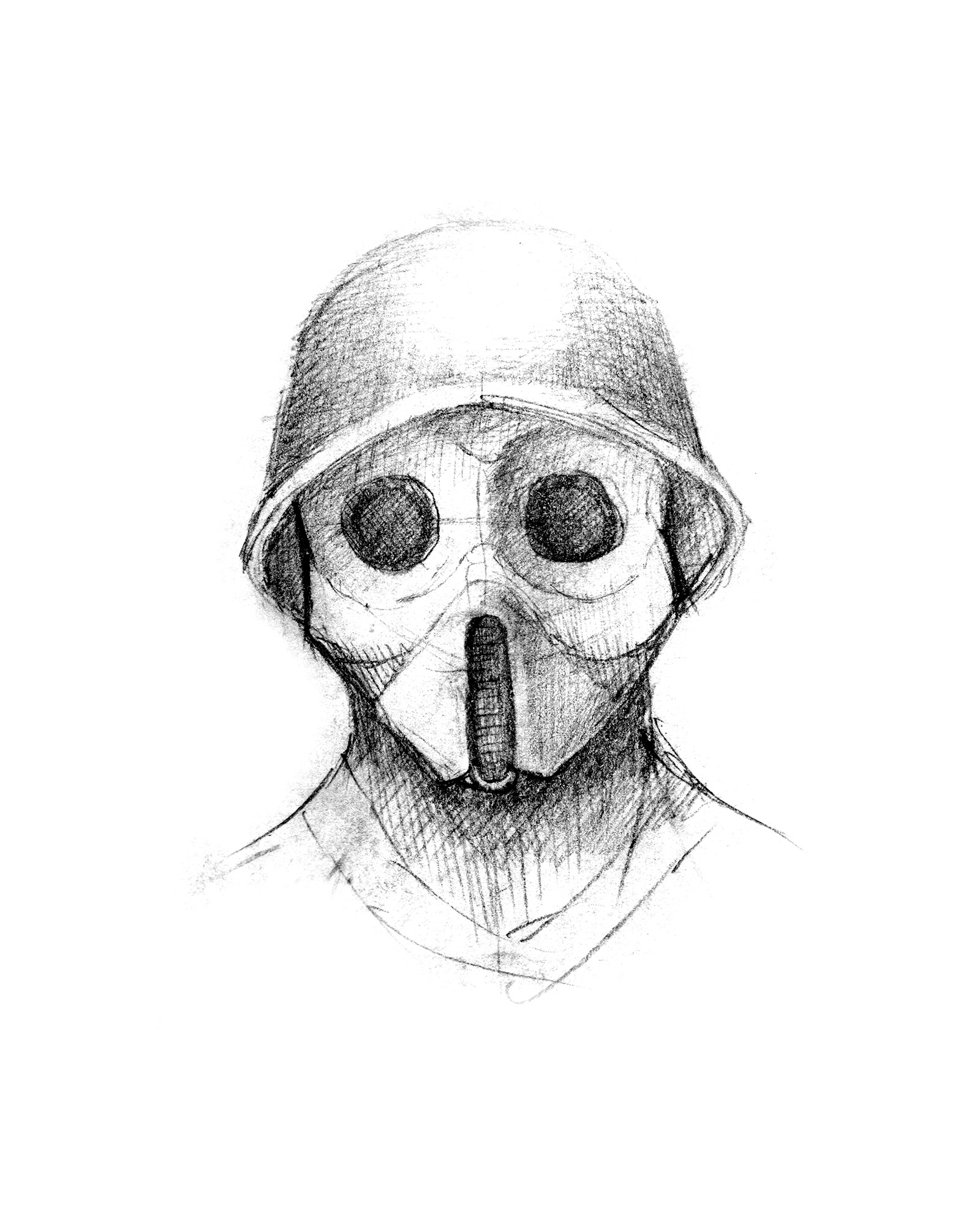
Thought Police
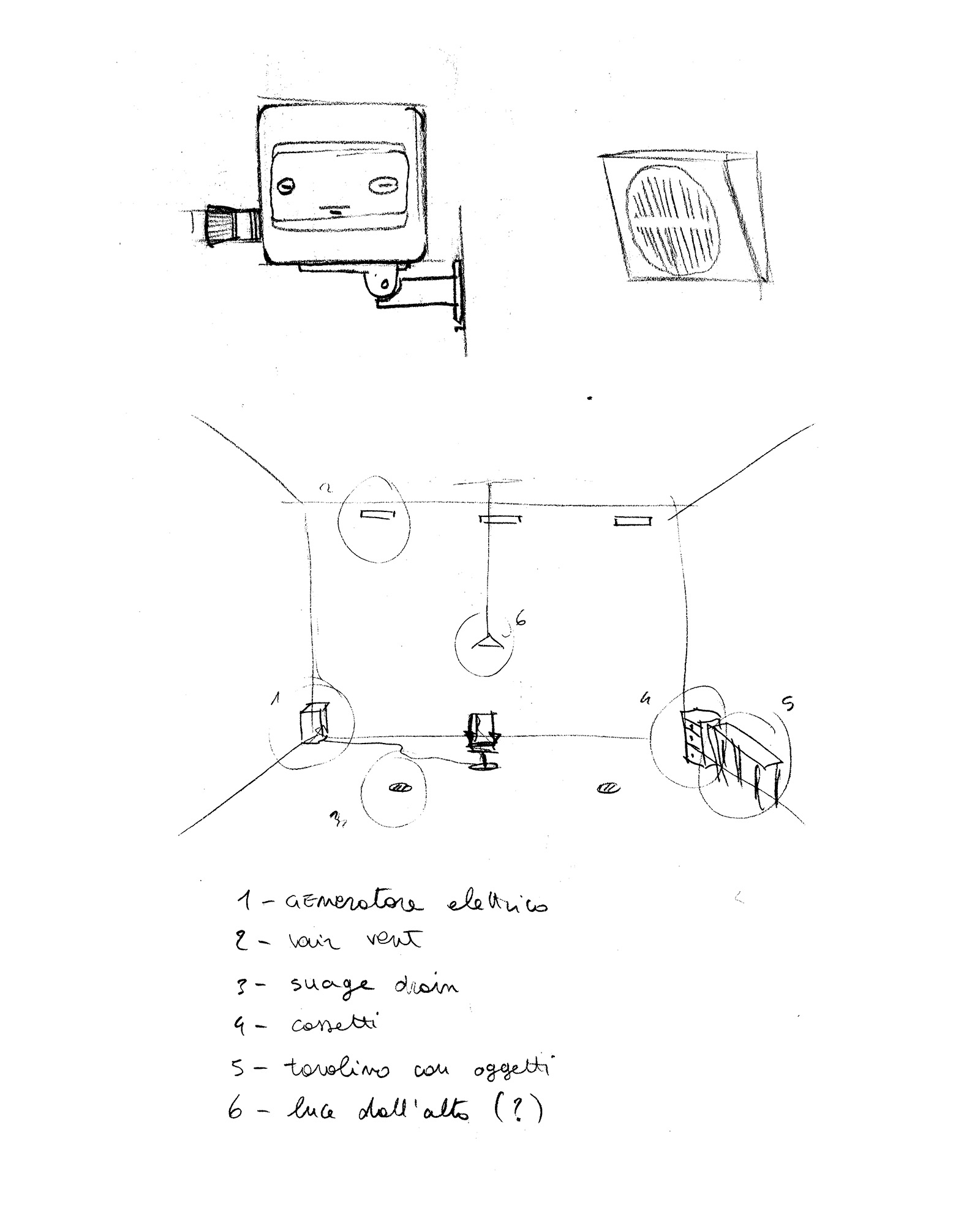
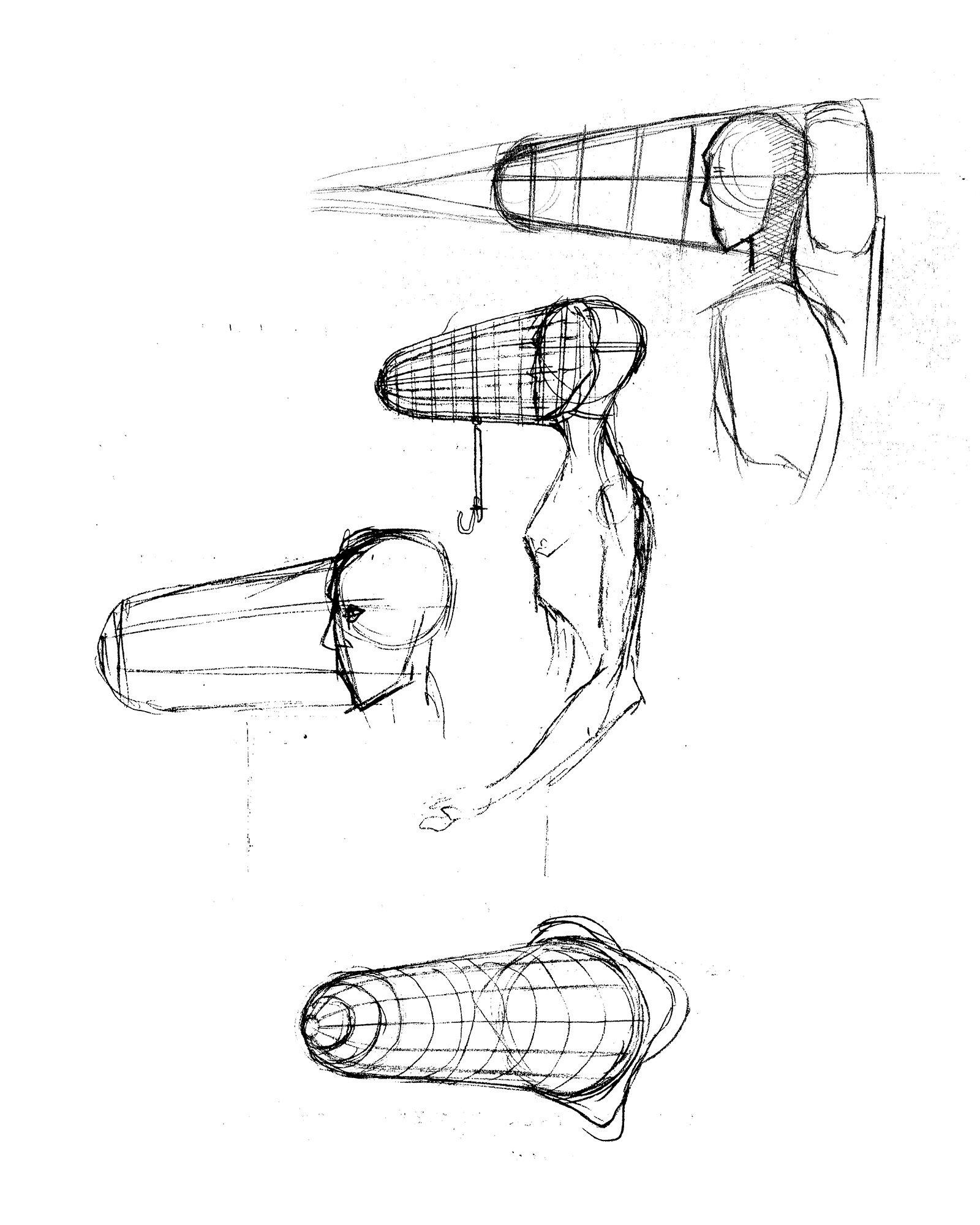
Room 101
MOODBOARD
STORYBOARD
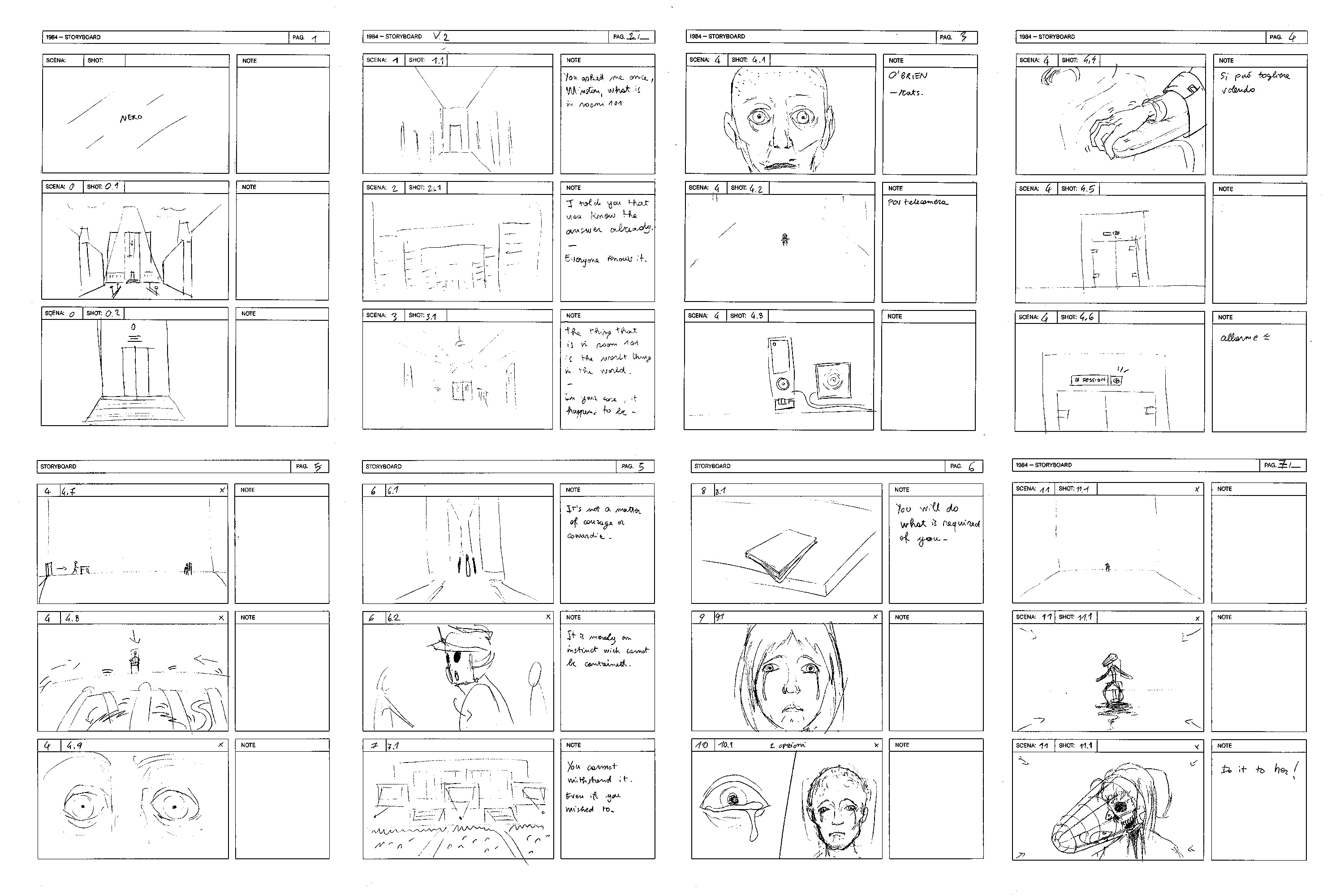
The storyboard was redrawn several times. As soon as it was clear that the focus would be on O’Brien's speech about Room 101, the flow of the story was redesigned around it.
ENVIRONMENTS
Every scene was made in Blender, first starting with blocking and then refining every environment, asset by asset. Compositing in After Effects was essential for adding mist and achieving the bleak and desolate look.
Ministry of Love – Exterior
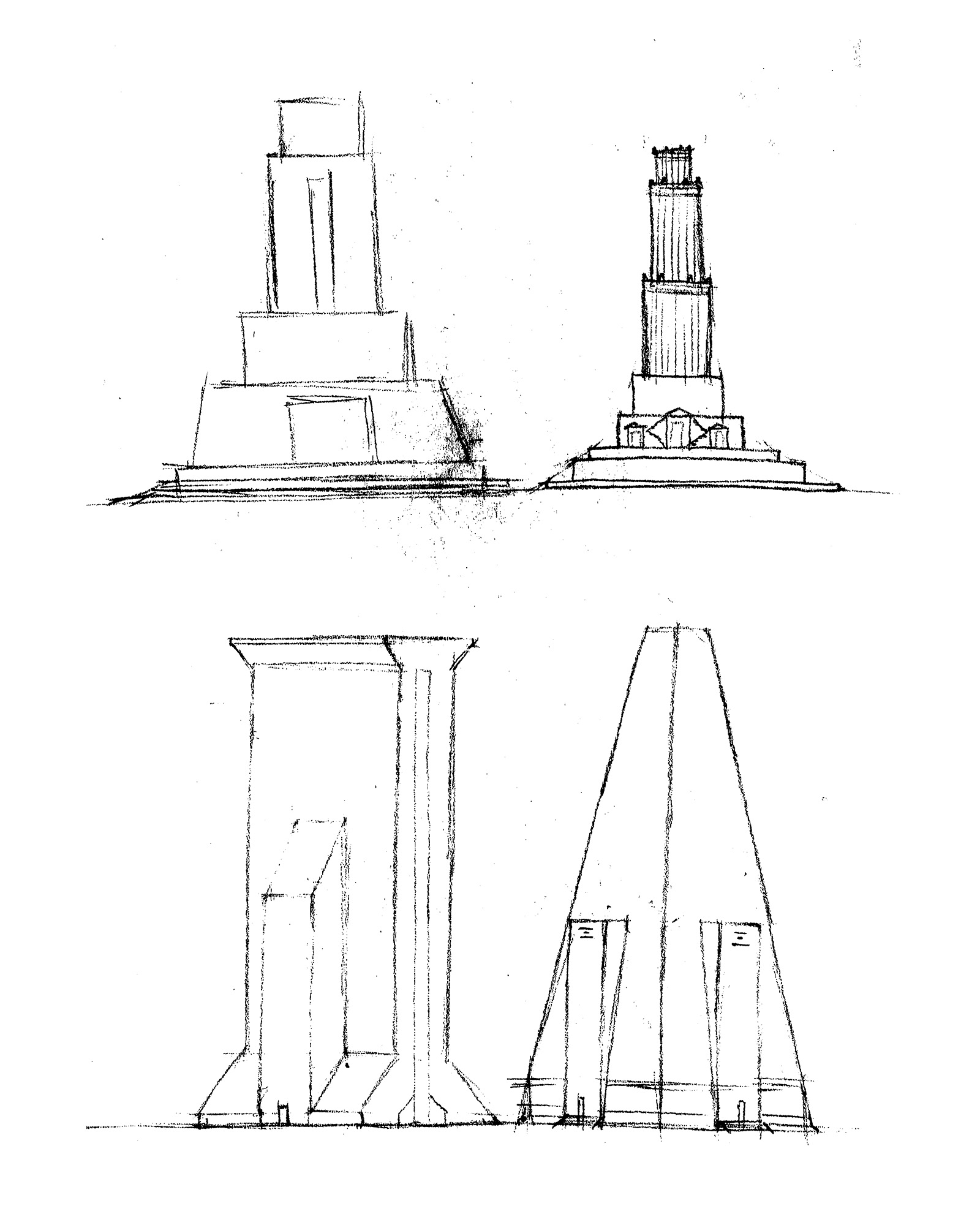
For the ministry buildings, they had to be imposing structures on an enormous scale that would dwarf everything around them. Drawing inspiration from the pyramid shape mentioned in the book, I was particularly inspired by the Transamerica Pyramid in San Francisco. For all the other buildings, I tried to strike a balance between Fascist and Soviet architectural norms and canons, although most of the inspiration came from government buildings in Moscow built during the Stalin era.
Ministry of Love – Hallway
Ministry of Love – Torture Rooms
Ministry of Love – Room 101
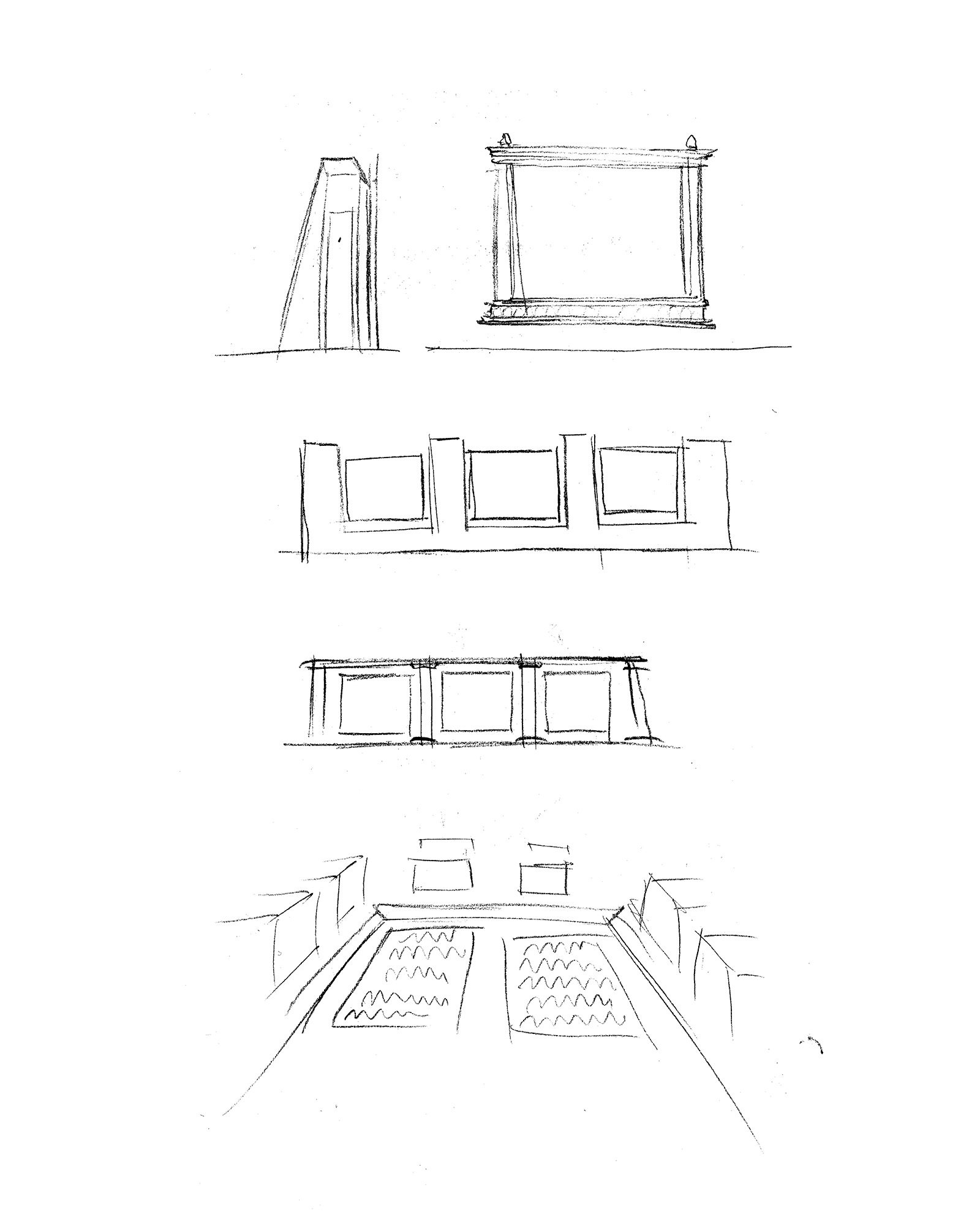
Being the most important environment in the film, it was the first one I started designing and the last one I finished. When designing a room intended for psychological torture, I envisioned an empty white room whose very layout would contribute to the mental manipulation of the victim. The main references were 1930s German hospitals and laboratories.
Thought Police Patrol
Rallies Square
This environment clearly references Nazi rally imagery, but also a government building in Pyongyang.
Winston's Home
CHARACTERS
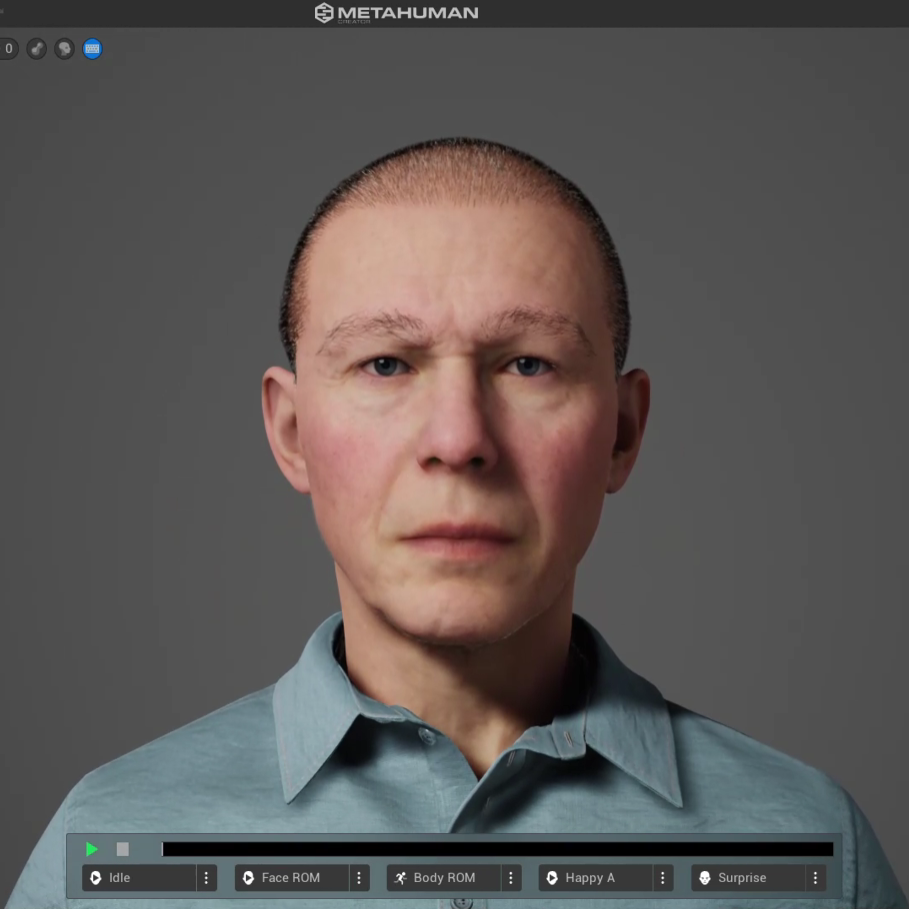
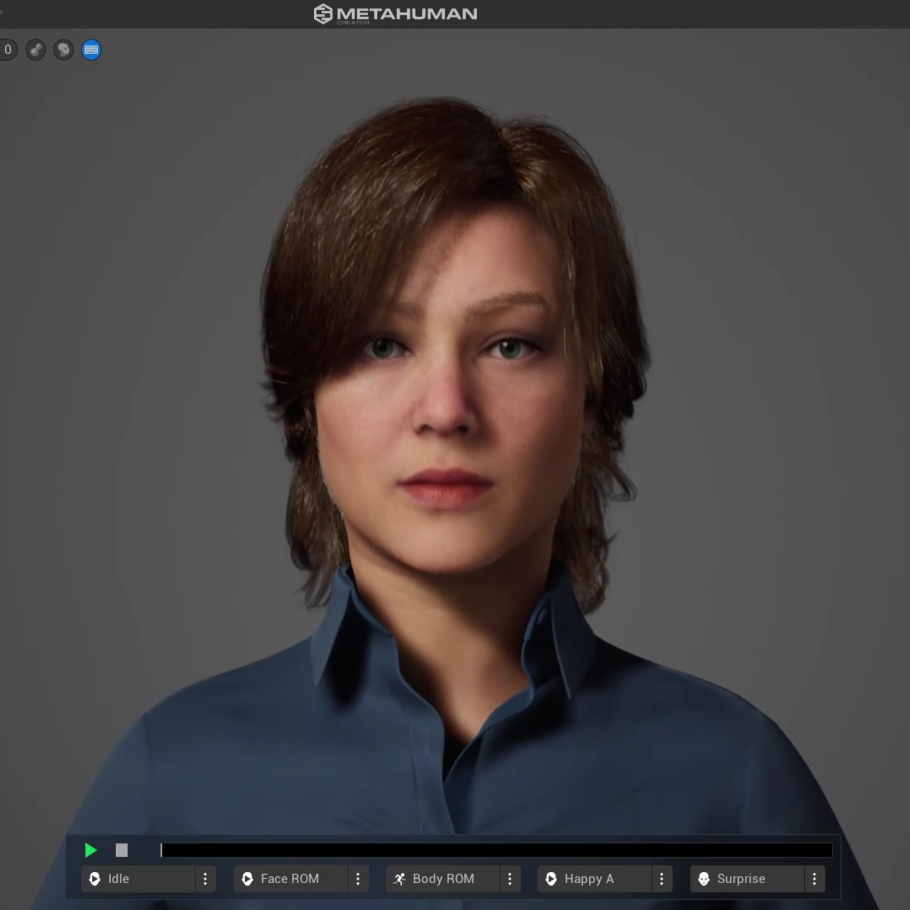
Winston and Julia
I relied on Metahumans to streamline the design and animation of the two main characters. After creating the characters in Metahuman Creator, I recorded several facial performances using the mobile app, which were then refined in Unreal Engine. Although this workflow has many limitations and quirks, it proved to be an excellent solution for our needs.
Julia with Rats Mask
This was actually the first image that came to mind when I started writing the short, and it turned out to be the most challenging shot. It involved cloth simulation, hair grooming, rigging and animation, and complex texture painting.
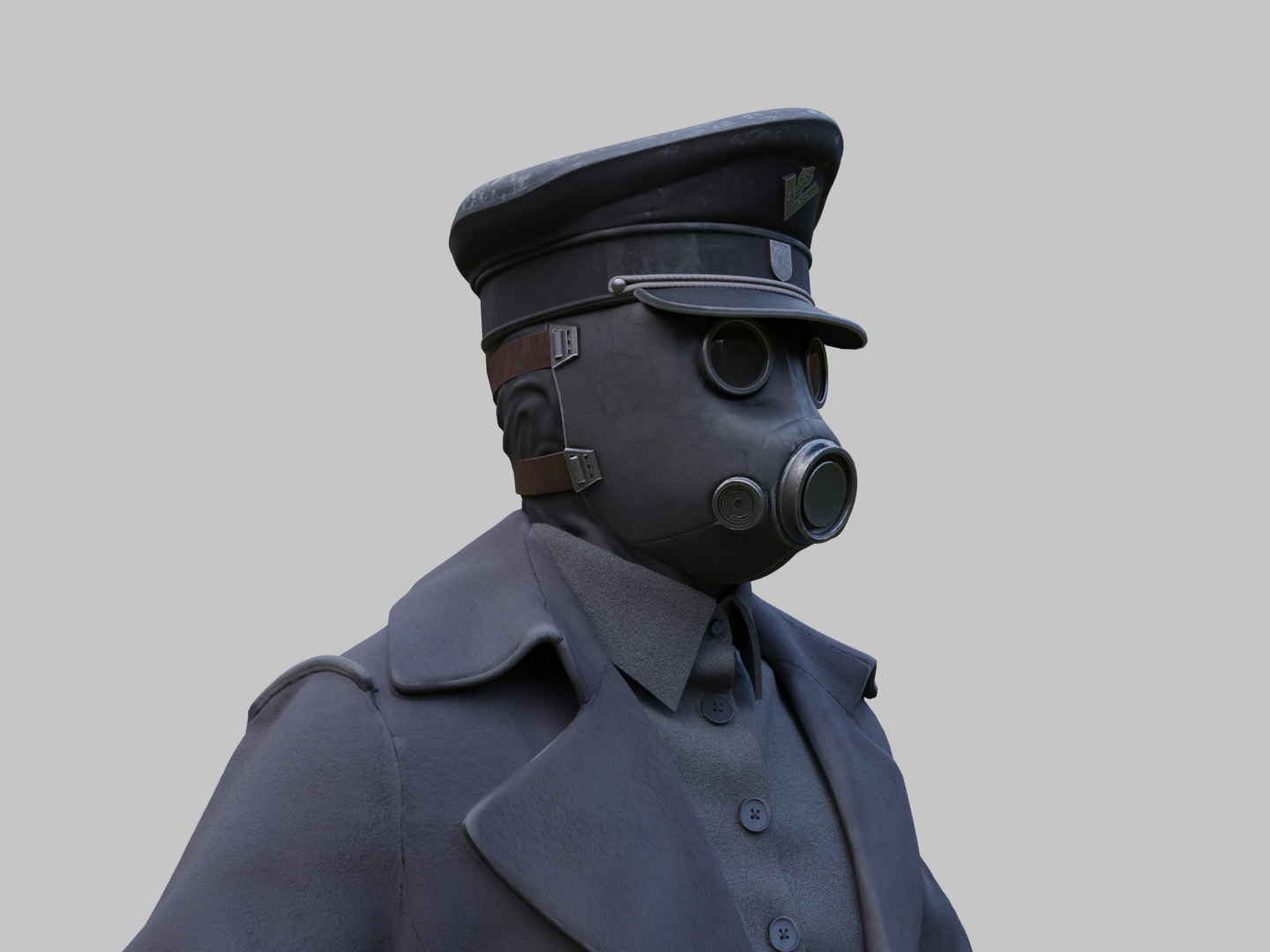
Thought Police Officer
Many decisions were made out of necessity to reduce complexity wherever possible. For example, the Thought Police officer mask was designed to avoid the need for another character's facial animation, but it also suited the character's austere appearance. As with many other assets that received close-up shots, this was textured in Substance Painter.
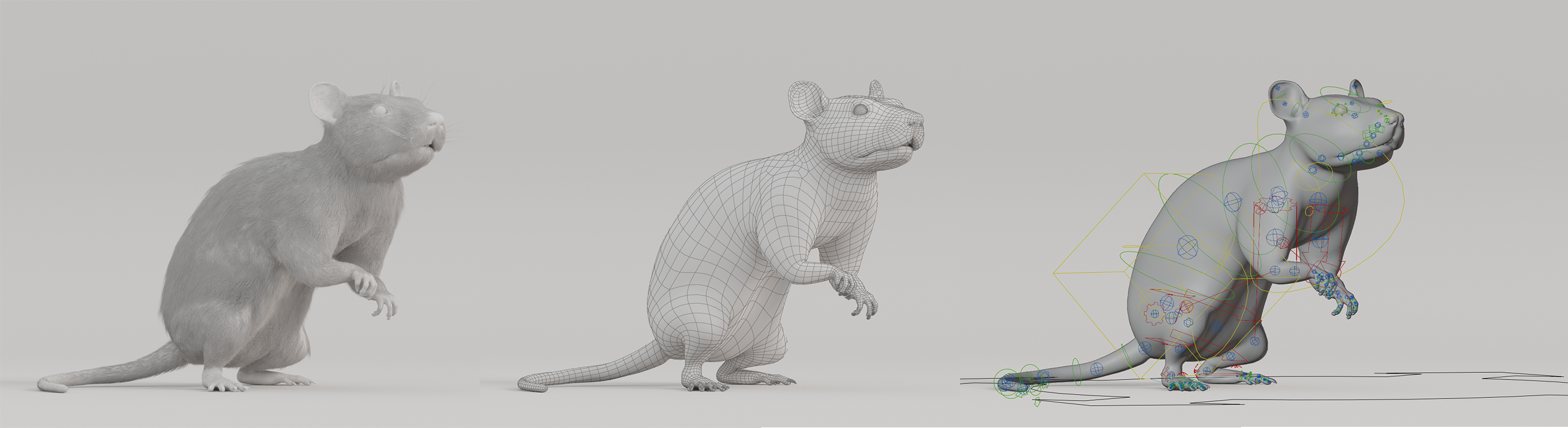
Rat
PROPS
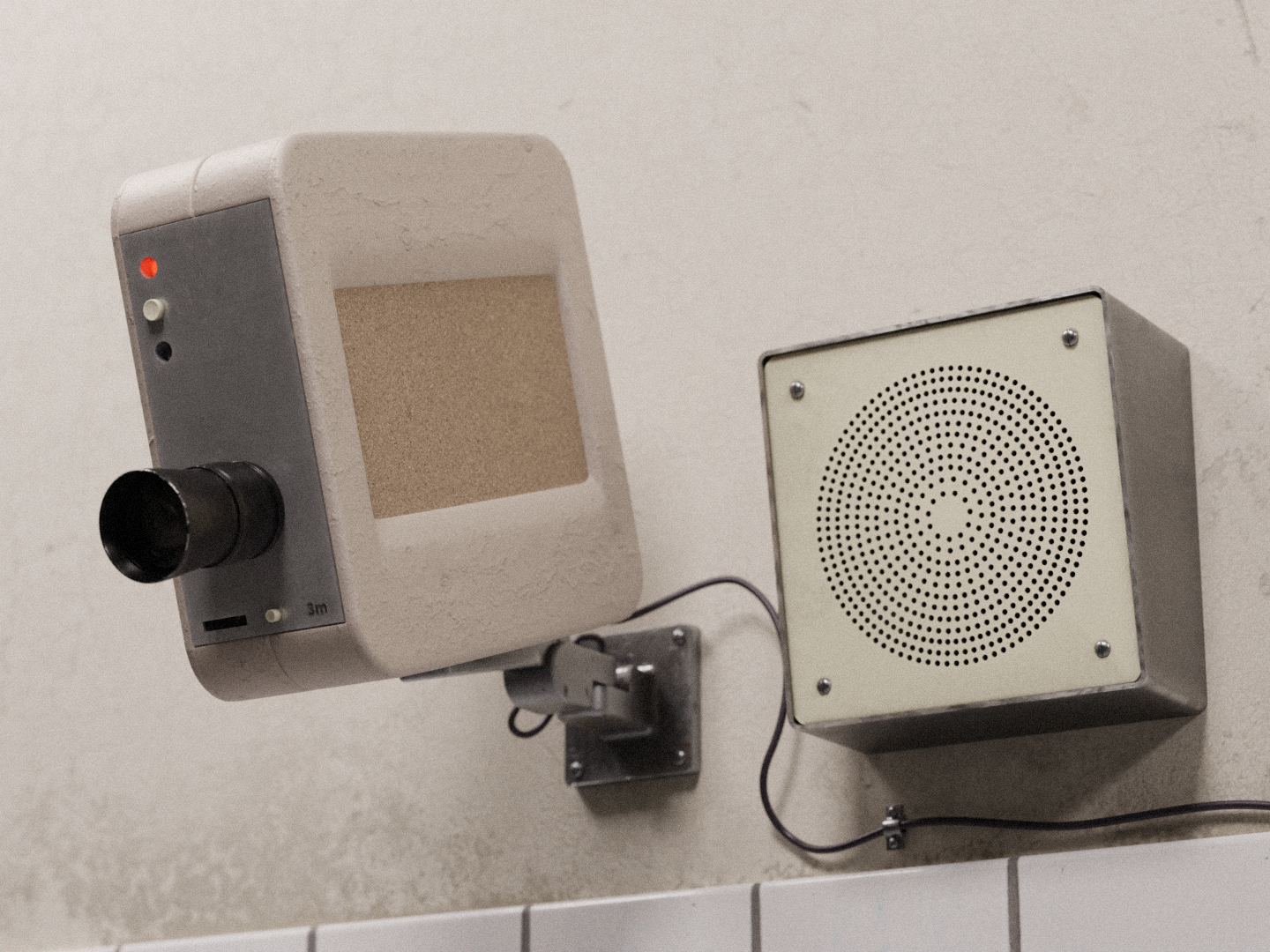
Security Camera and Speaker
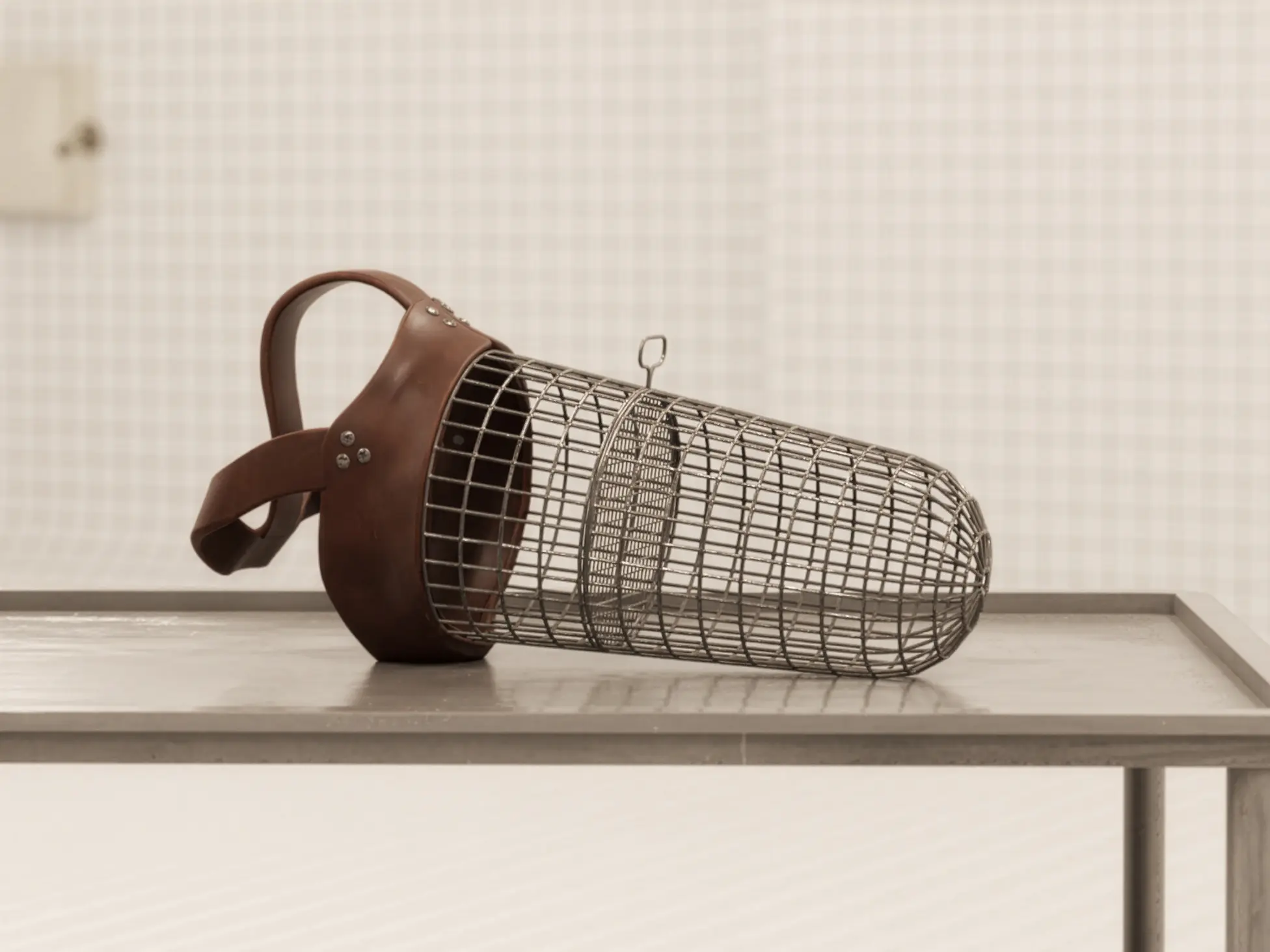
Rat Mask
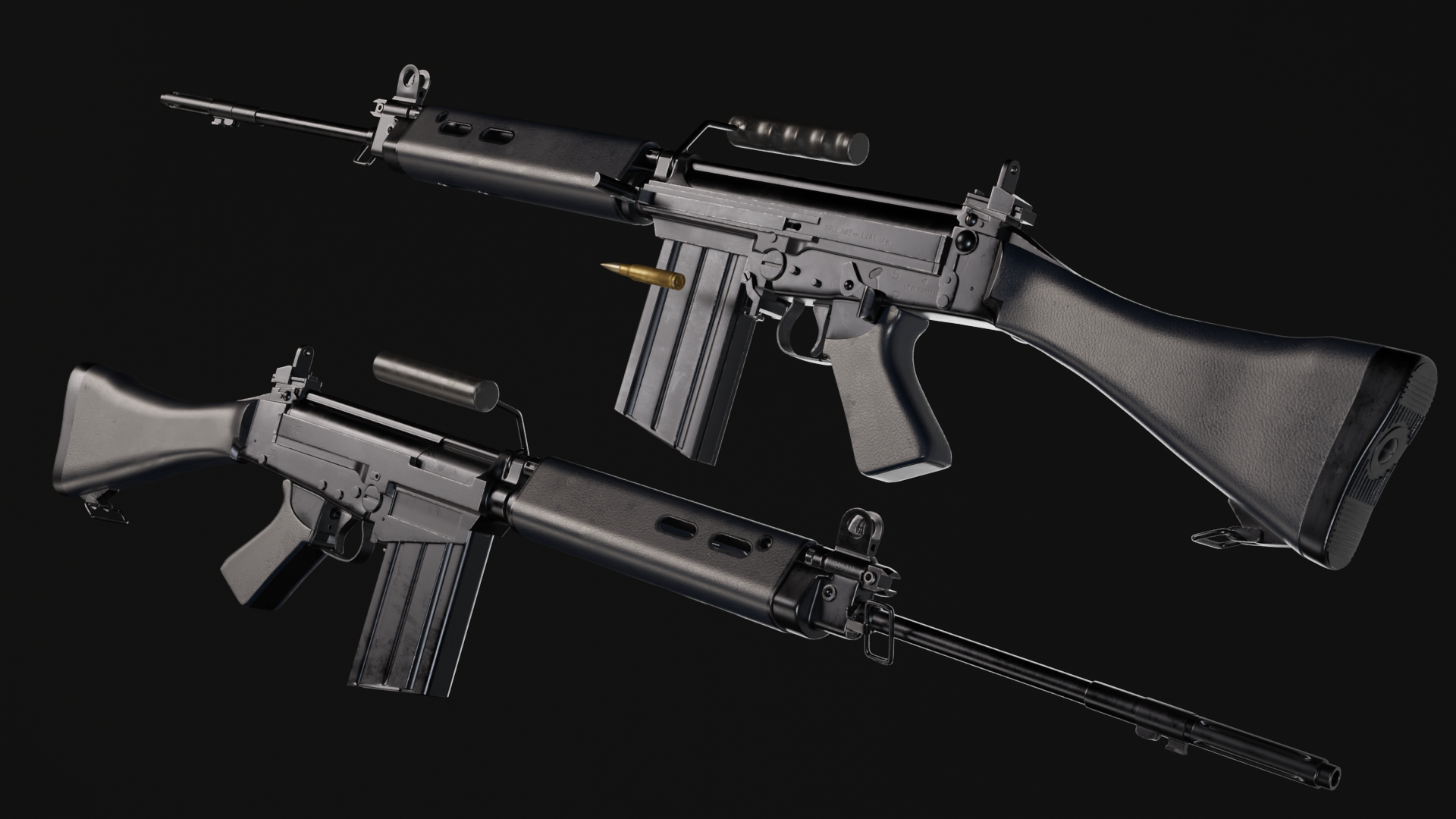
Thought Police Rifle